The Bucket, the Board and the Bingo-Hall Voice: Anatomy of an Ayrshire Half-Time Draw
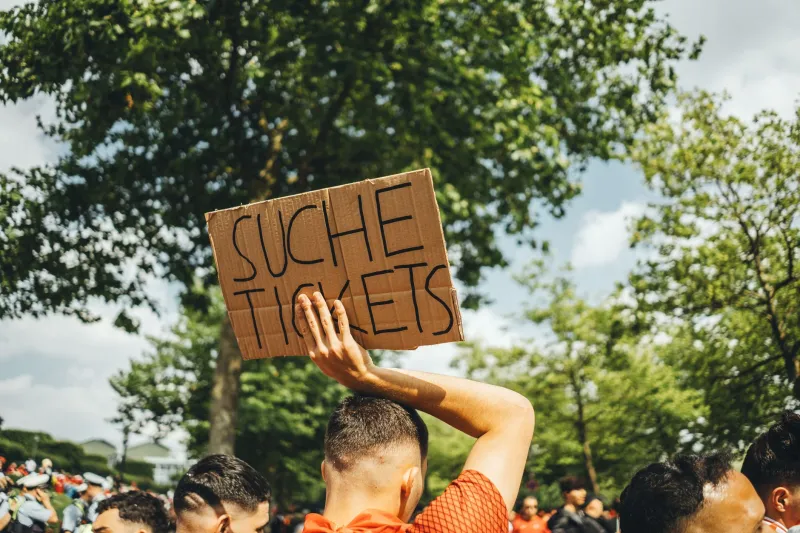
At 2.47pm on a wet November Saturday, the folding table goes up beside the turnstile. There is a tin for coins, a roll of red tickets, a felt-tip pen on a string and a laminated sign that has seen better weather. By ten to three, the first seller is already working the queue. By half-time, a few hundred pound coins will have passed through this little operation. And by twenty past four, someone in the clubhouse will be reading out a number while a fan in a soaked jacket checks their pocket for the third time.
The half-time draw is not glamorous. It does not get a sponsor's logo on the shirt or a mention in the programme notes. But across Ayrshire, it remains one of the most reliable fundraisers in grassroots and semi-pro sport. At Ayrshire Bulls, as at clubs from Kilmarnock to Girvan, the ritual is the same: sell tickets, count the takings, split the pot, announce a winner. Small change, big community impact.
Two O'Clock, One Folding Table
Margaret has run the table at this club for eleven years. She arrives before the players, sets out the float in a plastic tub and pins the ticket colours to the board so sellers know which roll is which. 'You need the right change before the first fan comes through,' she says. 'If you're scrabbling for coins at five to three, you've already lost.'
The draw is usually a 50/50: half the takings go to the winner, half to the club. Some weeks it is a fixed prize; some weeks it is a hamper. At this level, a decent crowd might bring in £120. A big local derby can push it towards £200. Nobody is retiring on it. But nobody is turning it down either.
Tickets are a pound a strip, five pounds for six. The sellers are a mix of committee members, injured players, parents and the occasional teenager earning volunteer hours. Davie, a retired joiner, has sold tickets at this ground for longer than some of the first team have been alive. 'It's not about the hard sell,' he says. 'You ask once. If they say no, you ask them if they've got the right boots on. Then you move on.'
The Float, the Tin and the Trust
When the half-time whistle goes, the table is packed up and the cash is carried to the committee room. This is the bit nobody sees. Two volunteers count the takings under strip lights, one calling out denominations while the other checks the tally sheet. Coins go into piles. Notes are flattened. The ticket stubs are separated from the sold rolls so the winning number can be verified. It is not quite forensic accounting, but it is close enough.
'You need two people,' says the club treasurer. 'Not because anyone would take anything — because you need a witness. It protects the volunteer as much as the club.'
The money goes into the same account as the gate receipts and the sponsorship cheques. It pays for physio tape, match balls, petrol for the minibus, heating in the clubhouse and the occasional panic repair to a boiler that has picked the coldest week of the year to give up. At one club nearby, the half-time draw funded a set of under-16 strips. At another, it covered a first-team player's scan after a bad tackle in October. None of that makes the winning-number announcement, but all of it keeps Saturday football moving.
What a Pound Actually Buys
It is easy to dismiss a pound as almost nothing. A chocolate bar costs more. A pint costs several times more. But grassroots clubs are built on the compounding of almost nothing. Twenty pounds buys a new match ball. Fifty pounds covers a week's training pitch hire. A hundred pounds can be the difference between a youth team travelling to a fixture or calling it off.
The half-time draw also does something less measurable. It gives people a reason to talk to each other. The seller at the turnstile is often the first club representative a new fan meets. The raffle table gives a parent something to do while their kid warms up. The winning-number announcement gives the whole ground a shared moment — a brief collective check of pockets and a groan when the number is one out.
Fiona, a Bulls fan who has been coming for years, says she buys a strip every home game. 'I've won once,' she says. 'A tenner. I spent it on a pie and a cup of tea and gave the rest to my grandson for the bus home. Best tenner I've ever won.'
The Bingo-Hall Voice
The announcement itself is a performance. At this club, the job falls to Terry, a committee member with a voice built for a bingo hall. He takes the microphone at half-time, taps it twice, and reads the number with a pause long enough to make people check their tickets twice.
'Number one-four-seven,' he says. 'One-four-seven. If you've got it, bring your ticket to the table.'
Sometimes nobody claims it. The ticket is in a coat pocket, or the winner has gone home early to beat the traffic, or the number has been misheard. In that case, the prize rolls over to the next home game. It is a small administrative wrinkle that has become part of the folklore. Fans ask about the rollover before they ask about the team news.
Small Change, Long Memory
The half-time draw will not solve the financial pressures of semi-pro sport. It will not pay for a new stand or a floodlight upgrade. But it is one of the few fundraisers that asks almost nothing of the people who contribute and gives them something back in return — a chance, a ritual, a shared laugh when the number is close but not close enough.
As the ground empties and the volunteers count the last of the coins, the table is folded away for another week. The tin goes back in the cupboard. The roll of tickets is put aside for the next home game. Nobody applauds. Nobody needs to. The half-time draw has done its quiet work again, one pound at a time.