When the Boots Come Off: Supporting Ayrshire's Sidelined Semi-Pros
The final whistle goes, the kit goes in the wash and the rest of the squad starts planning for next Saturday. For a semi-pro player with a season-ending injury, that is the moment the real work begins. In Ayrshire's semi-pro game, the gap between playing and not playing is measured in more than weeks. It is measured in physio appointments, shift patterns, lost match payments and the slow business of feeling useful again.
The injury that doesn't end at the final whistle
Every club has a version of this story. A midfielder goes over on an ankle in late summer. The initial verdict is a few weeks. Then comes the scan, the specialist, the phrase nobody wants: season-ending. At Ayrshire Bulls, as at every volunteer-run club in the county, the player disappears from the Saturday routine almost overnight. The team sheet moves on. The group chat keeps buzzing. The injured player is left with a rehab plan and a lot of quiet Tuesdays.
The pattern is familiar across Ayrshire. The injury itself is treated. The life around it is often not.
Rehab fitted around a day job
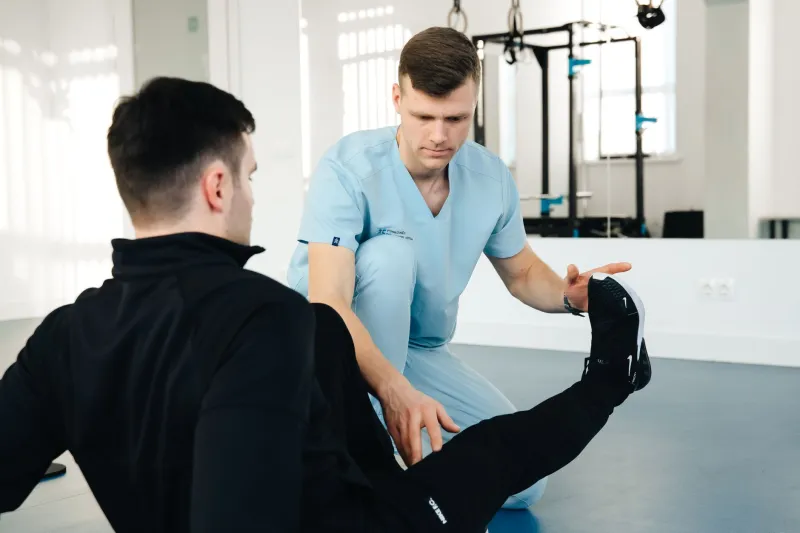
For semi-pro players, football is the second job. The first one still expects them at 8am. A physio appointment in Ayr can mean an hour off work, a lift from a mate and a shift swap. NHS waiting lists are long; private sessions are quicker but cost money. The club can't fix the health service. It can make the journey less lonely: a named contact, a shared calendar, a lift rota, a conversation with the employer if the player wants one. Small things, but they stop rehab feeling like a solo project.
There is also the gym work nobody sees. Injured players often train alone, early or late, because the squad is on the pitch when they are free. A club that opens the gym for a rehab hour, even if it is just a corner with a bike and a mat, tells the player they are still part of the building.
The money nobody puts on the team sheet
Match payments are not Premier League wages. In Ayrshire's semi-pro game they are modest: a few pounds here, a win bonus there, travel expenses if you're lucky. But they matter. They cover petrol, boots, gym membership and the occasional pint after a win. When the injury arrives, those payments stop. The costs don't. Physio, parking, compression socks, maybe a private scan. A club insurance policy may cover some treatment, but it rarely covers the gap in a player's week.
A clear hardship fund, even a small one, is more useful than a raffle nobody asked for. So is honesty about what the club can and cannot pay for. Players can plan around a firm no. They cannot plan around silence.
The quiet part
Then there is the bit that doesn't show up in a medical report. Injured players talk about the dressing room going on without them. They miss the noise, the banter, the sense of being picked. Some withdraw because they don't want to be the sad lad on crutches. Others turn up every week and feel like a spare part. Mental health dips are common, especially when a day job is already demanding.
Clubs don't need to become counsellors. They do need to keep the door open: a weekly check-in, a seat on the bus, a job on the touchline, a text that isn't just asking when they'll be back. The volunteer network that runs Ayrshire football is already good at lifts, teas and kit. It can be good at this too.
What clubs can realistically do
Not every Ayrshire club can afford a full-time physio. None can promise a season without injury. But most can do more than a get-well card. A named injury contact who checks in every week. A rehab slot before training, even if it's just a corner of the gym. A modified session that lets a player feel part of the squad without risking a setback. Clear rules on expenses and match payments. A return-to-play plan written down, not guessed at. Signposting to mental health support. And a bit of patience when the player is not ready, even if the team sheet says otherwise.
It also helps to include injured players in the matchday routine. They can help with the warm-up, run the line, take the kit or sit in the dugout. None of that is charity. It is what a squad does.
The return is not a switch
Coming back is rarely a flick of a switch. There is the first jog, the first tackle, the first reserve game on a cold Wednesday night in Kilwinning. There is fear, and there is frustration when the body says no. The clubs that do this well keep supporting the player after the comeback, not just until the cast comes off. They manage minutes, they listen, they don't rush. Because the long road back doesn't end when the boots go on again.
The get-well card is lovely. The lift to physio is better. The weekly text is better still. In Ayrshire's semi-pro game, the difference between a player drifting away and a player coming back is often made by volunteers who decide that an injured teammate is still a teammate.