Four Legs on the Touchline: The Dogs Who Run Ayrshire Matchdays
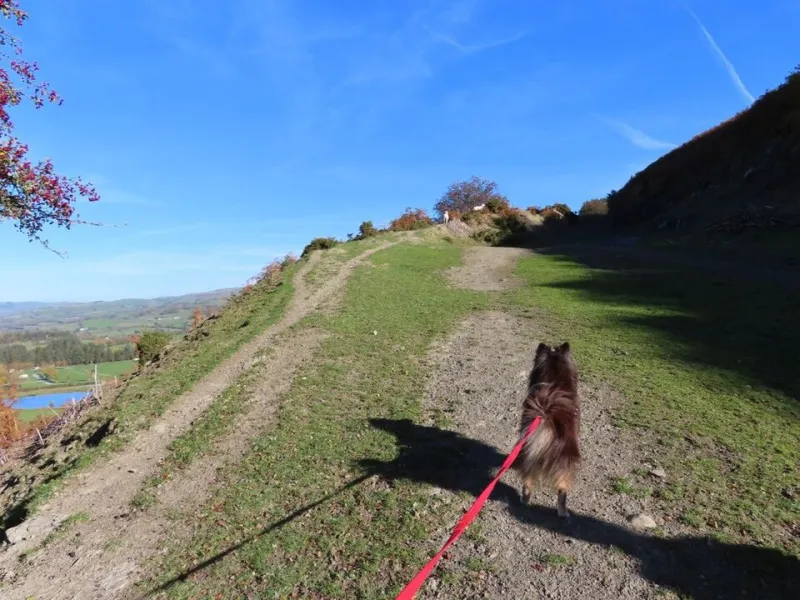
Photo: Bill Nicholls , CC BY-SA 2.0, via Wikimedia Commons
Every Ayrshire touchline has a human hierarchy. Manager, assistant, physio, subs, the committee man with the flask, the kid on ball-boy duty. Then, somewhere near the tea hatch, there is the dog. It might be on a lead tied to the barrier. It might be sitting on a coat that has been sacrificed for the cause. It might be halfway under the dugout, sniffing out a discarded sausage roll. But it is there, and the matchday does not quite feel right without it.
This is not a ranking of the best boys and girls in Ayrshire. It is a list of the regulars, the ones who have earned their place by turning up in the rain, ignoring the referee and never once paying at the gate. Some are matchday pets. Some are club mascots. One or two are probably the real reason their owners come.
The Ground Rules
Before the profiles, a word on etiquette. A touchline dog is not a free-roaming defender. It stays on a lead unless the ground has a secure area and the owner knows the score. It does not chase the ball onto the pitch, no matter how inviting the through ball. It does not bark at the assistant referee, although plenty of humans struggle with that one. It does not sit in the tea hatch doorway when the queue is forming.
Most clubs are relaxed, but they are not stupid. Water bowls go down near the barrier. A spare lead lives in the kit bag. Someone always knows where the nearest bin is. If a dog is having a bad day, it goes home. That is the deal. The dog gets the community, the community gets the dog, and the pitch stays clear.
Bracken, the Tea-Hatch Terrier
At a ground near Kilwinning, Bracken is the unofficial doorman. He is a terrier of uncertain parentage and total conviction, and he knows the tea hatch routine better than most of the committee. When the urn goes on, Bracken is already at the hatch. When the first tray of sausage rolls comes out, he is sitting with the patience of a saint and the eyes of a con artist. He does not beg. He simply waits, and the waiting works.
Bracken's owner is the club's gate man. The two of them arrive an hour before kick-off and leave after the last bin bag is tied. Bracken has a coat for the cold and a towel for the wet. He has never been on the pitch. He has, according to one committee member, been in the referee's room once, but only because the door was open and there was a biscuit on the table. No further questions.
Moss, the Labrador Who Has Never Returned a Ball
Moss is a big, soft Labrador who patrols a touchline in the Irvine area and has absolutely no interest in fetch. A ball can roll past him, bounce off his paw and settle six inches from his nose, and Moss will look at it with the mild confusion of a dog who thought we were here for the smells. He has never returned a match ball. He has never chased one. He has, on one memorable occasion, sat on a spare one during a stoppage and refused to move until the full-time whistle.
His owner says Moss is a good luck charm. The club says Moss is a liability near the warm-up balls. Both are true. He is also the first to greet the away team when they arrive, which has done more for post-match handshakes than any committee initiative. If you see a Labrador wearing a maroon collar and looking slightly disappointed by the lack of sandwiches, that is Moss. Say hello. He will lean on you.
Poppy, the Whippet in the Hi-Vis Coat
Poppy belongs to a linesman at a club near Troon, and she takes her duties seriously. She wears a hi-vis coat in winter, which makes her look like a very small steward. She sits behind the barrier and watches the line with an intensity that suggests she knows something the officials do not. When the flag goes up, Poppy stands. When the flag goes down, Poppy sits. She is not trained. She is just observant.
Poppy's ground rules are simple: no dogs off leads near the dugouts, no chasing the ball, and no sitting on the linesman's bag. She has broken the last rule twice. The bag was warm. The linesman forgave her. The away team did not notice. That is the kind of controversy Ayrshire touchlines can handle.
Angus, the Ball-Boy Understudy
At a ground outside Cumnock, Angus is a young collie who has been promoted to unofficial ball-boy understudy. He does not fetch the ball. He does not retrieve the ball. He does not even look at the ball. What he does is patrol the gap between the barrier and the dugout with the focus of a security guard, checking the perimeter, greeting the regulars and occasionally lying down in the exact spot where the sub is trying to warm up.
Angus is not allowed on the pitch. He knows this. He tests it once every few weeks by edging a paw over the white line, then looking back at his owner with an expression that says he was simply checking the paint. The owner says no. Angus retreats. The ritual is repeated. The crowd loves it. The referee does not notice because the referee is busy telling a defender to stop wrestling.
The Rituals That Make a Matchday
The dogs are not just decoration. They are part of the small rituals that make a grassroots ground feel like a place rather than a venue. The water bowl by the tea hatch. The spare lead on the hook. The dog that knows the sound of the full-time whistle and starts wagging before the players have shaken hands. The away supporter who asks if they can stroke the Labrador. The child who is nervous of the crowd but happy to sit near the terrier.
They also remind us that a football club is a community with a pulse. The Bulls might be the main event, but the touchline is a living room, and the dog is often the most sociable one in it. It does not care about the league table. It cares about the smells, the company and the chance of a sausage roll at half-time.
So next time you are at an Ayrshire ground and a wet nose finds your hand, do not ignore it. That dog has done more for the matchday atmosphere than most of us. Just do not ask it to return the ball. Moss will only look at you with mild confusion, and frankly, he has a point.